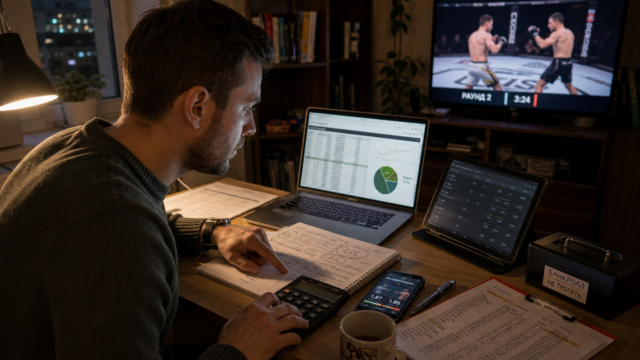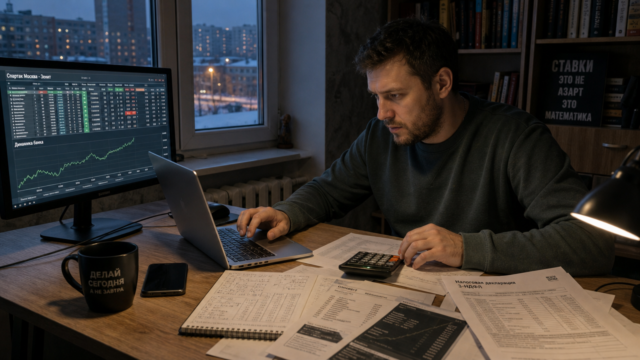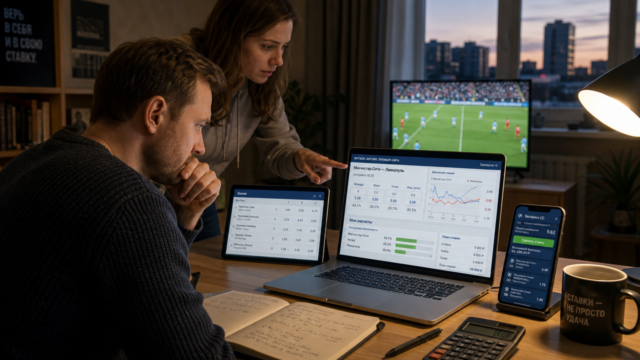
Bookmakers do not need to predict winners. They need the total money on both sides to exceed the total payout. A match priced at 1.90 on each side has an implied probability of 52.6 percent for each outcome. Sum those probabilities and you get about 105.3 percent. The extra 5.3 percent is the margin, the bookmaker’s profit before the event starts.
A bettor must clear that margin before showing a profit. Break-even hit rate equals 1 divided by the decimal odds. At 2.00, you need 50 percent winners. At 1.80, you need 55.6 percent. At 2.50, you need 40 percent. The 1.80 to 2.50 range is often recommended because lower odds demand a high win rate and higher odds produce long losing streaks that can trigger emotional decisions.
Variance punishes even a real edge. At odds around 2.00, a 5 percent edge means winning 55 of 100 bets and losing 45, for 10 units of profit. A run of losses can still appear before those 55 wins arrive, and a bankroll that cannot absorb that streak is finished. Never risk money you cannot afford to lose. Rent, car loans, and grocery budgets cannot serve as a bankroll.
Fraudulent Actions With Sports Betting Follow a Predictable Script
Fraudulent actions with sports betting rarely come from a licensed bookmaker. They arrive through a direct message, a messaging channel, or a sponsored post selling information. The oldest scheme is the fake fixed match. A scammer claims access to a real fixed game, sends a screenshot of a huge winning slip, and asks for payment before revealing the next pick. The screenshot is fake, and the promised match either never existed or was already played.
Real fixed matches are rare, require enormous capital, and involve a tiny circle of insiders. Betting on them carries its own risk because a bookmaker may cancel suspicious wagers. Scammers exploit the gap between that reality and the dream of easy luxury.
Fake tipsters, cloned betting sites, and guaranteed prediction services are also common. A fake site may look identical to a licensed bookmaker but steal deposits. A fake tipster may show a winning record that is either fabricated or cherry-picked from hundreds of losing predictions. The defense is to use only licensed bookmakers, never pay third parties for picks or account access, ignore guaranteed predictions, and protect account data with two-factor authentication.
Can You Go to Jail for Sports Betting? The Answer Splits by Role
Can you go to jail for sports betting? If you are a customer placing a bet with a licensed bookmaker, the answer is generally no in regulated markets. The customer is not running a gambling business. Criminal exposure is more likely to involve people who organize unlicensed betting, launder money, or defraud bettors with fake fixed matches. A person who sells fake fixed-match information and takes money from victims may face fraud charges and imprisonment.
The prison risk depends on jurisdiction. In countries with strict gambling controls, using an unlicensed offshore site may be an administrative offense. Repeated involvement or acting as an intermediary can lead to more serious charges. Betting itself is not necessarily the crime. Operating an illegal bookmaking business, handling other people’s deposits without a license, or running a fraud scheme is.
A separate enforcement layer is financial rather than criminal. Starting in 2026, Russians with unpaid debts enforced through the national bailiff system are banned from betting or topping up accounts at licensed bookmakers and casinos. A debt-enforcement system checks personal data against the relevant database in real time, and transactions are blocked immediately. The restriction lifts automatically within one to two days after debt repayment. This is not prison, but it shows how a betting account can become a debt-enforcement tool.
When Being Addicted to Sports Betting Becomes a Medical Condition
Addiction specialists equate ludomania with alcohol and drug dependence. The causes usually include a desire for easy money and luxury, followed by the reward of a near miss. Symptoms include obsessive focus on sports, financial ruin, aggression, and physical complaints such as insomnia. The condition moves through stages, from early euphoria after wins to compulsive betting that continues despite mounting losses.
A Russian-language forum example captures the denial precisely. A bettor named Igor argues that he is not a ludoman because sports betting involves analysis and choice, not pure chance. He separates himself from casino gamblers. Yet he admits losing money and time, and he blames fixed matches rather than his own repeated decisions. That mental move can appear among people who have become addicted to sports betting. They treat their model as part of their identity, so the losses cannot be about them.
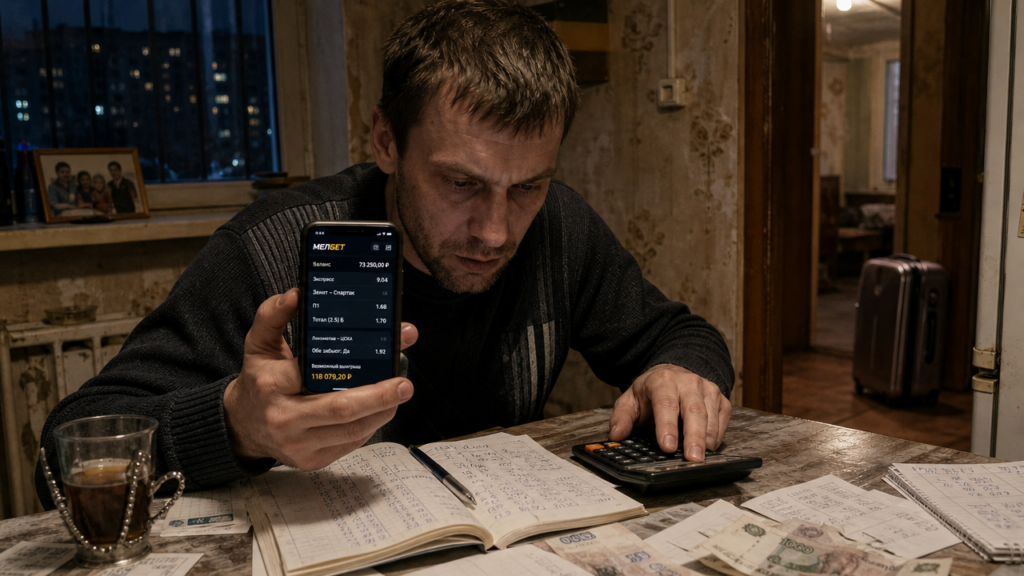
Financial ruin is often the first visible signal. A person may borrow from friends, take microloans, or hide account statements. Aggression follows when the next bet fails. Insomnia appears because live betting erases the boundary between watching a game and risking money. At this stage, the problem is no longer a hobby or a strategy.
How to Treat Gambling Addiction From Sports Betting Through Structured Support
A person searching for how to treat gambling addiction from sports betting often looks for a quick block or a single therapy session. Effective support usually requires several measures. Russian clinics offer 24/7 anonymous help and fast response for betting addiction, with coding methods priced from 3,000 to 18,000 rubles depending on injections or implants. Anyone considering treatment should discuss the available method and its limits with a qualified specialist rather than relying on an implant alone.
Self-exclusion from licensed bookmakers, blocking software on devices, and handing control of bank cards to a partner can reduce access during the first weeks. Treating depression, anxiety, or sleep problems may also matter because insomnia and aggression can drive the next bet.
Peer-support content exists for people trying to stop casino and sports betting. It can make the struggle feel less isolated, but it cannot replace professional help when the addiction has reached the financial-ruin stage. A financial audit is also necessary. The person needs to calculate total losses, list creditors, and see the real cost of the addiction without hiding behind the word “investment”. Exporting the betting history and adding up deposits, withdrawals, and fees often reveals that the analysis never offset the margin and that emotional decisions added extra losses.
Recovery Depends on Cutting the Illusion of Control
A bettor who believes he is one fixed match away from a comeback will not stop. The recovery task is to accept that the imagined edge was smaller than the margin and that the dopamine hit from a win was the product, not the strategy. This shift happens through time, support, and repeated exposure to the real numbers.
Practical guardrails work better than willpower. Install a gambling blocker, remove card details from betting apps, tell one person about the debt, and hand over discretionary money during the first weeks. Use only a separate account for necessary expenses. The 2026 debt-enforcement rule already does this for debtors in Russia by blocking top-ups automatically. You can build the same barrier voluntarily.
As people stay away from sports betting, they may notice practical changes: sleep improves, anger drops, and they can watch a game without checking a live line. The math of the bookmaker does not change. The person’s relationship with risk does.